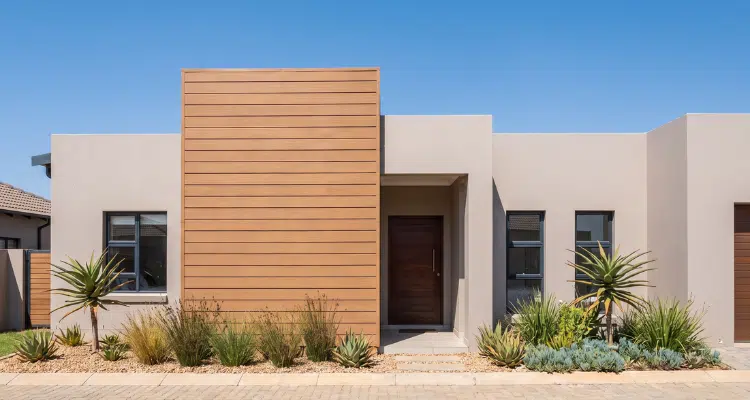
Wall cladding is essentially a jacket for your home, one that offers extra protection and insulation from the world outside. These “jackets” also come in a variety of styles and materials (which we’ll get into later) and are thus a popular option for aesthetic elevation of modern homes. One of the main reasons for the popularity of wall cladding in homes today is its energy-efficiency benefits, which vary based on the specific material and installation method.
The General Benefits Of Wall Cladding
Aside from energy-efficiency, wall cladding offers numerous benefits, from enhancing your home’s aesthetic appeal to improving its functional performance. These benefits change depending on the materials used and the specific installation process used. There are, however, a few inherent benefits shared across materials, such as:
- Enhanced Aesthetic Appearance: Wall cladding tends to elevate the visual style of your building. Cladding will add texture, colour and character to your building. You can use wall cladding to add a modern twist to your exterior walls, or incorporate a rustic charm to your home for example.
- Durability & Longevity: Wall cladding protects your home’s walls against the elements. It’s because of this that your walls will have increased lifespans and will need repairs or touch-ups much less frequently. This protection from the outside can also help prevent moisture penetrating your walls, which will help reduce the risk of mould and mildew.
- Improved Insulation: Most cladding options like wood, composite and brick offer natural thermal insulation which can help reduce energy consumption drastically. It does this by allowing for easier indoor temperature regulation (allowing you to save energy on cooling and heating).
- Noise Reduction: Some cladding materials, like brick and cork for example, can help dampen sound transmission into your home. Reducing the noise coming in can help create a more peaceful and enjoyable environment inside your walls.
- Low Maintenance: Some materials used in wall cladding, such as metal, vinyl and wood composite, require minimal maintenance compared to regular painted or plastered walls. This can save you time and money in the long run (if you pick the right material for your environment and your cladding was installed properly).
- Fire Safety: Some cladding types, like certain metals and brick, offer enhanced fire resistance to your home. This will improve the overall safety and appeal of your building.
- Property Value: Good looking and well maintained wall cladding will add value to your property (due to the benefits listed above) and may likely increase your home’s appeal to buyers and renters.
Top 5 Types Of Wall Cladding: Pros And Cons
South Africa is known for its diverse climates and architectural styles across the country. Choosing the right material for your exterior wall cladding is crucial to your building’s aesthetic and its functionality. Following are (in no particular order) the top 5 wall cladding types for the exterior of your home:

1 – Timber or Wood Wall Cladding:
Pros:
- Warmth & Beauty: Wood cladding offers a classic aesthetic upgrade with its warm, natural beauty.
- Variety Of Styles: With a wide range of natural wood cladding options available, you have multiple choices for your desired style.
- Good Insulation: Traditional timber wall cladding offers good insulation, meaning it is effective at regulating temperature inside of the building it’s installed on.
- Eco-Friendly: There are many timber wall cladding options that are sustainably sourced, meaning that wood can be an eco-friendly solution to your exterior wall cladding needs.
- Ease Of Repair: Minor damage to wood wall cladding can usually be repaired, or the damaged plank can be replaced, with ease.
- Noise Insulating: Timber cladding is generally considered to be a great noise insulator, especially when you go for thicker variations. Installation quality is key for maximising the noise cancelation effect from timber cladding.
Cons:
- Regular Maintenance: Natural timber wall cladding requires regular maintenance (staining, painting, etc.) in order for it to keep its beauty and functionality.
- Susceptible To Damage: Wood is naturally susceptible to termite, weather, and water damage depending on the type of wood, its finish and maintenance frequency/quality.
- Cost: Timber can be a very expensive cladding option depending on the type of wood you want to use.
- Combustible: Seeing that wood is a flammable material, timber wall cladding will thus require additional fireproofing measures to ensure safety.

2 – Stone Wall Cladding:
Pros:
- Durability: Stone wall cladding is naturally durable, resistant and low-maintenance. Stone cladding is also fire-resistant and will add an extra layer of safety to your home.
- Natural Beauty & Timeless Elegance: Natural stone, similar to timber, will add a classic elegance to your home, enhancing your building’s aesthetics with a timeless beauty.
- Variety of Styles: When picking out a type of stone for your exterior cladding, you will be met by a large variety of options in terms of texture and colour.
- Longevity: Proper stone cladding, when installed properly and with proper maintenance every now and then can last for many, many years.
- Noise Insulation: Because of its sheer mass, stone wall cladding provides excellent resistance to noise coming through from outside your walls.
- Thermal Insulation: Stone naturally has high thermal density, meaning it is a good material for insulation and will help regulate the indoor temperatures of your home.
Cons:
- Weight & Installation: Stone, for the most part, is a very heavy material for cladding. This means that installing it will require skilled and experienced labour – and sometimes even heavy machinery depending on the size of your cladding stones and the scale of the project.
- Cold To The Touch: Stone wall cladding can become cold to the touch, which is a seemingly random con admittedly, but still worth considering.
- Cost: Stone can become a very expensive material for cladding, depending on the type of stone, the finish or treatment of the stone and the overall scale of the project.
3 – Steel Wall Cladding:
Pros:
- Lightweight & Affordable: Steel wall cladding is generally lightweight and affordable compared to materials such as brick or stone. This makes steel a very attractive option for renovations with a focus on budget- consciousness.
- Durable & Weatherproof: Steel is highly resistant to weather and corrosion when treated and finished properly. Steel wall cladding is also durable and resistant to damage, making it a long-lasting and low-maintenance wall cladding option.
- Fire Resistance: Steel is naturally resistant to fire, which will offer an extra layer of safety to your building.
- Recyclable: Steel is a very recyclable material and is thus an environmentally friendly material choice for your wall cladding.
- Contemporary Style: If one of your goals is to elevate your building with a modern aesthetic, then steel cladding would be a very good choice – steel cladding is, in other words, ideal for modern architectural styles.
Cons:
- Susceptible To Rust: If steel is not properly coated or maintained, it may rust. This will negatively influence the appearance and performance of your steel wall cladding.
- Denting & Noise: Steel cladding can be prone to denting, which can sometimes not be fixed (which means you might have to replace steel panels when they get dented). Steel wall cladding can also amplify noise from rain and hail. This can be mitigated with a proper installation and a proper coating.
- Limited Insulation: Steel offers little with regard to thermal insulation compared to materials such as wood and wood composite. If insulation is important, you may have to consider special insulated steel panels, or incorporating other insulating materials with your cladding.
- Heat: Steel will become hot when it is exposed to direct sunlight, which makes it less desirable in hotter climates.
- Noise Insulation: Steel is inherently bad at blocking noise and can, in some cases, amplify sound. In order to get noise insulation from steel cladding, you will need to install insulated steel panels with thick sound-absorbing cores.

4 – Vinyl Wall Cladding:
Pros:
- Low Maintenance: Vinyl wall cladding requires very little maintenance, you will typically only need to clean it every so often. Vinyl does not require painting or staining, unlike timber, for example.
- Affordable: As far as budget is concerned, vinyl cladding is one of the most cost-effective wall cladding options out there, which makes it very popular amongst the budget-conscious.
- Lightweight And Easy To Install: Vinyl is a very lightweight material for wall cladding and is generally very simple to install.This results in a faster and cheaper installation process when compared to other materials.
- Waterproof And Weatherproof: Vinyl is a material that is highly resistant to weather and water. It generally resists most forms of rot, pests and water damage, making it a suitable wall cladding option for most conditions.
- Variety Of Styles: Similar to timber and stone, vinyl cladding comes in a wide range of colours and styles, allowing for customisation and elevating curb-appeal.
Cons:
- Non-Durable: Vinyl wall cladding is unfortunately not as durable as other cladding options. Your cladding may be prone to cracking, warping and fading (especially when in direct sunlight).
- Flammable: Some vinyl cladding options are not fire resistant and may catch fire easily. Please select a fire-retardant vinyl for your cladding to ensure maximum safety.
- Limited Insulation: Vinyl wall cladding offers very little in terms of thermal insulation and will not assist in regulating indoor temperatures.
- Can Appear Unnatural: Seeing that vinyl wall cladding inherently has a less natural look than wood or stone cladding, for example, it may not suit all tastes or architectural styles.
- Noise Insulation: Vinyl cladding itself offers very little in terms of noise insulation. In order to improve the sound-proofing quality of your vinyl cladding, you will need to get thicker vinyl and incorporate other insulating materials into your cladding.

5 – Wood Composite Wall Cladding:
Pros:
- Durability & Beauty: Composite wall cladding blends the natural beauty of wood with the durability and low maintenance of PVC (wood composite is also resistant to termites, rot, and weather).
- Variety Of Styles: Wood composite wall cladding comes in a wide range of colours and textures. They can mimic woodgrains or have other finishes – there is something for everyone when it comes to wood composite cladding.
- Easy To Install And Maintain: Composite cladding is one of the easier wall cladding options when it comes to installation and wood composite is famous for being low maintenance (you primarily need to clean it occasionally and inspect it annually).
- Moderate Insulation: Wood composite offers more thermal insulation than most wall cladding options, but it isn’t the absolute best option for it. That being said, composite cladding will help regulate indoor temperatures and will thus assist in the energy-efficiency of your home.
- Medium Cost: Wood composite tends to be a more expensive option than vinyl and a few other cladding options, but it is less expensive than wood or stone cladding. This makes wood composite a great option for someone who wants good quality wall cladding, but does not want to break the bank.
- Noise Insulation: Wood composite itself offers moderate noise insulation because of the materials it is made of. In order to maximise the effectiveness of your composite cladding’s noise insulation, you will need to get a composite with a higher wood content and a denser core. Proper installation is required to maximise its effectiveness.
Cons:
- Not As Natural Looking: Compared to materials such as wood or stone, wood composite tends to not look as natural. That being said, there are good quality wood composites that look very similar to real wood.
- Susceptible To Scratching: Composite wall cladding, especially the smoother options, can be more susceptible to scratching than cladding materials such as stone or metal. It is however more resistant to scratching than natural wood.
Considering various factors, the options we’ve discussed above represent our top 5 choices. It is important to note that the best option for you will ultimately be decided by your budget, climate, desired aesthetic and your maintenance preferences. Thus we recommend that you do your research and consult a professional before making your final decision with regard to the exterior wall cladding of your home.
Tips On How You Can Enhance Your Energy-Efficiency With Wall Cladding
Wall cladding is a brilliant way to improve the energy-efficiency of your home. With the right choice of material and with proper installation, wall cladding can improve your home’s thermal insulation, resulting in a naturally regulated indoor temperature. With the right tips, you can use wall cladding and other strategies to minimise your reliance on electric cooling and heating. Here are a few tips you can use to maximise your energy-efficiency:
- Choose The Right Material:
-
-
- Ensure that the material you are going to use is a cladding material with built-insulation, or one that is naturally insulated like wood (naturally insulated) or wood composited (built-in insulation).
- The material you use for your wall cladding needs to have a high thermal mass to maximise the insulation of your building. A material with naturally high thermal density is stone.
- If your building gets hot because of prolonged exposure to direct sunlight, try using a wall cladding material that is naturally reflective, or one that is coated with a UV-reflecting coating. A light-coloured steel would help with this, for example.
-
- Focus On Proper Installation:
-
-
- It’s important to ensure proper air gaps for ventilation between your wall cladding and the wall structure. This will not only allow for proper ventilation, but will also help avoid moisture buildup which can compromise your insulating performance.
- For maximum energy-efficiency of your home. You also need to ensure that you seal all gaps and penetrators around windows and doors with appropriate flashing and sealants. This will control air leaking out of your building.
- You need to find the right balance between ventilation and airtightness in order to maximise the insulation and energy-efficiency of your home.
-
- Combine with Additional Insulation:
-
-
- Add a layer of high-quality insulation to the inner wall behind your cladding for enhanced thermal performance. Consider materials like rockwool or cellulose for their effectiveness and sustainability. Doing this will increase your thermal insulation if cladding alone isn’t enough to satisfy your needs.
- Opt for double-walled cladding systems with an air cavity between the exterior cladding and the inner wall. This trapped air may further improve the insulation performance of your wall cladding and help reduce energy consumption.
-
- Additional Passive Design Strategies:
-
-
- Utilise shading devices like overhangs, awnings or louvres to shade windows and walls from direct sunlight (especially during the hotter parts of the day) to reduce the heat gain and thus the cooling needs of your home.
- Natural ventilation is a great way to ensure that your building remains cool during hotter periods. Strategically placed windows and air vents will help naturally circulate air within the building.
-
In conclusion, wall cladding offers much more than a mere aesthetic enhancement to your home’s exterior. It’s not only about adding unique style or increasing your walls’ durability and longevity. More importantly, it’s an eco-conscious choice. By improving your home’s thermal insulation, wall cladding significantly reduces the need for electric heating and cooling. This makes it an ideal solution for those looking to combine style, sustainability, and efficiency in their home design.
There are so many options to choose from when it comes to cladding, but if you’re ready to take the plunge and elevate your home with a beautiful and functional exterior personality, check out our range of Composite Wall Cladding and 4EVERDECK ULTRA WALL CLADDING. Please contact us if you have any questions and check out our other blogs for more expert tips and insights into composite products and home improvement in general.